![[Review] Chair Exercises for Seniors (Scott Hamrick) Summarized](https://episodes.castos.com/660078c6833215-59505987/images/2317951/c1a-085k3-rk20q53kux31-jagbiu.jpg)
Show Notes
Chair Exercises for Seniors (Scott Hamrick)
- Amazon USA Store: https://www.amazon.com/dp/B0DCQBY63Y?tag=9natree-20
- Amazon Worldwide Store: https://global.buys.trade/Chair-Exercises-for-Seniors-Scott-Hamrick.html
- Apple Books: https://books.apple.com/us/audiobook/10-minute-simple-home-workouts-for-seniors-2-in-1-14/id1717590457?itsct=books_box_link&itscg=30200&ls=1&at=1001l3bAw&ct=9natree
- eBay: https://www.ebay.com/sch/i.html?_nkw=Chair+Exercises+for+Seniors+Scott+Hamrick+&mkcid=1&mkrid=711-53200-19255-0&siteid=0&campid=5339060787&customid=9natree&toolid=10001&mkevt=1
- Read more: https://mybook.top/read/B0DCQBY63Y/
#chairexercises #seniorfitness #seatedstrengthtraining #mobilityforolderadults #28dayworkoutplan #ChairExercisesforSeniors
These are takeaways from this book.
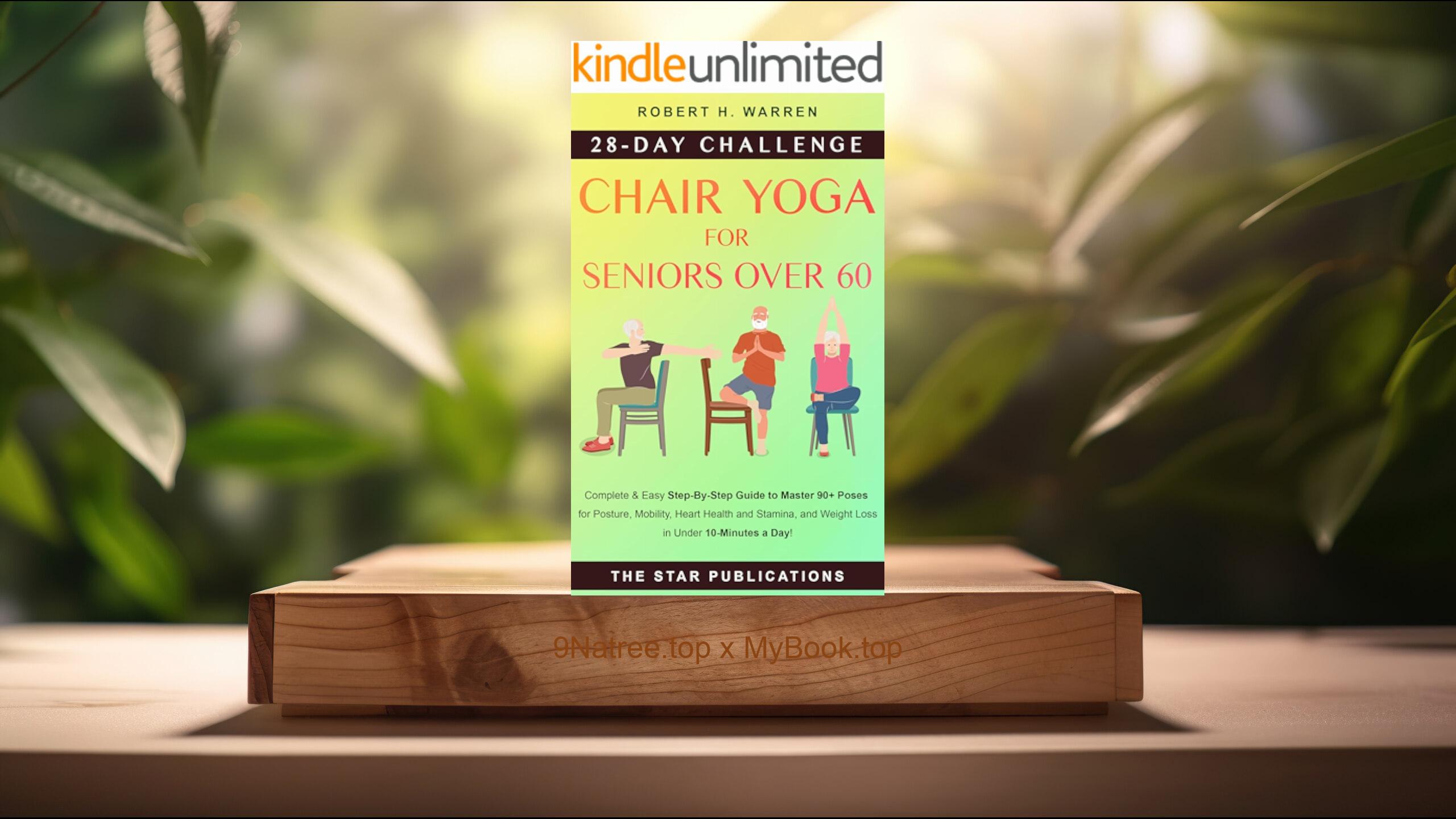
Firstly, A 28-day structure that turns exercise into a routine, A key feature of the book is its 28-day plan, which gives seniors a simple pathway from intention to action. Instead of asking readers to design their own program, it organizes workouts into a daily or weekly rhythm that supports habit formation. This matters for older adults because consistency is often more valuable than intensity. Regular movement can gradually improve comfort with activity, reduce the fear of overdoing it, and build confidence in the body. The plan format also encourages pacing, helping readers avoid the common trap of doing too much on a good day and then needing several days to recover. By setting a defined timeframe, the program feels achievable, and progress becomes easier to notice. The schedule-based approach can also help caregivers or family members support participation, since workout days and expectations are clear. Overall, the structure is designed to remove guesswork, promote adherence, and provide a steady progression that fits real life, including days when energy is lower or time is limited.
Secondly, Seated strength training for functional independence, The collection of seated exercises emphasizes strength development in a way that supports daily tasks. For seniors, functional strength often means being able to rise from a chair, carry groceries, stabilize the trunk while reaching, and maintain posture during walking. Chair-based strength work can target major muscle groups including legs, hips, glutes, core, chest, back, and arms while reducing the balance demands that sometimes make standing exercises intimidating. This creates a safer entry point for people with deconditioning, arthritis discomfort, or limited stability. Strength training in a seated position can still be challenging when applied thoughtfully through controlled tempo, higher repetition ranges, and progressive resistance such as light dumbbells or resistance bands if the reader chooses to use them. The book’s step-by-step style supports proper form, which is essential for joint-friendly training. The overall promise is that stronger muscles translate into better movement quality and greater independence, making everyday activities feel less exhausting and reducing reliance on assistance for routine tasks.
Thirdly, Mobility and flexibility to reduce stiffness and improve range of motion, Beyond strength, chair exercise programs commonly address mobility, flexibility, and joint comfort, and this book positions seated movement as an accessible way to keep the body moving through useful ranges. Many older adults experience stiffness in the hips, ankles, shoulders, and thoracic spine, which can affect gait, posture, and the ease of reaching or turning. Seated mobility work allows a person to focus on smooth movement without worrying about losing balance. In practice, this can include gentle dynamic motions, controlled rotations, and stretching sequences that are easier to scale than floor-based routines. The illustrated guidance can help readers understand how far to move and how to align joints safely, which is particularly important for people who feel uncertain about exercise technique. Improved mobility can make strengthening exercises more effective, since muscles perform better when joints move well. It can also improve comfort during everyday tasks like getting dressed, stepping into a car, or reaching overhead, turning the program into a practical tool for maintaining independence and reducing the day-to-day impact of stiffness.
Fourthly, Balance, coordination, and fall-risk awareness from a stable base, Although the workouts are seated, the program can still contribute to balance and coordination by training posture, core stability, and controlled limb movement. Balance is not only about standing on one leg. It also depends on trunk strength, alignment, reaction time, and the ability to coordinate the upper and lower body smoothly. Chair-based drills can reinforce upright posture, improve the body’s awareness of positioning, and strengthen the muscles that stabilize the pelvis and spine. For many seniors, this is a confidence-building step toward better movement overall, especially if prior falls or dizziness have created fear. Seated routines also allow the reader to practice controlled transitions, such as engaging the legs and core as if preparing to stand, which supports the sit-to-stand pattern associated with independence. The program’s safety-first environment can help readers learn to move deliberately, focus on breathing, and avoid rushing through exercises, all of which are important habits for fall-risk reduction. This approach meets many older adults where they are, then supports gradual improvement.
Lastly, Variety, scaling, and clear visuals that support adherence, With 80 or more seated exercises and an illustrated, step-by-step format, the book emphasizes variety and clarity, two factors that strongly influence whether people stick with a routine. Variety reduces boredom and helps spread workload across different muscles, which can make workouts feel more comfortable and sustainable. Clear visuals and explanations can also reduce anxiety about doing an exercise incorrectly, which is a common barrier for beginners or those returning to exercise after a long break. A chair workout can be scaled in multiple ways, such as adjusting range of motion, slowing tempo, reducing repetitions, taking longer rests, or adding light resistance as strength improves. This flexibility is important because seniors differ widely in fitness level, medical history, and energy from day to day. The program format also fits home life, requiring minimal space and offering an approachable on-ramp for people who do not want a gym environment. By combining clarity with options, the book aims to make exercise feel doable, safe, and repeatable, which is the foundation for long-term progress.
- Amazon USA Store: https://www.amazon.com/dp/B0DCQBY63Y?tag=9natree-20
- Amazon Worldwide Store: https://global.buys.trade/Chair-Exercises-for-Seniors-Scott-Hamrick.html
- Apple Books: https://books.apple.com/us/audiobook/10-minute-simple-home-workouts-for-seniors-2-in-1-14/id1717590457?itsct=books_box_link&itscg=30200&ls=1&at=1001l3bAw&ct=9natree
- eBay: https://www.ebay.com/sch/i.html?_nkw=Chair+Exercises+for+Seniors+Scott+Hamrick+&mkcid=1&mkrid=711-53200-19255-0&siteid=0&campid=5339060787&customid=9natree&toolid=10001&mkevt=1
- Read more: https://mybook.top/read/B0DCQBY63Y/
#chairexercises #seniorfitness #seatedstrengthtraining #mobilityforolderadults #28dayworkoutplan #ChairExercisesforSeniors
These are takeaways from this book.
Firstly, A 28-day structure that turns exercise into a routine, A key feature of the book is its 28-day plan, which gives seniors a simple pathway from intention to action. Instead of asking readers to design their own program, it organizes workouts into a daily or weekly rhythm that supports habit formation. This matters for older adults because consistency is often more valuable than intensity. Regular movement can gradually improve comfort with activity, reduce the fear of overdoing it, and build confidence in the body. The plan format also encourages pacing, helping readers avoid the common trap of doing too much on a good day and then needing several days to recover. By setting a defined timeframe, the program feels achievable, and progress becomes easier to notice. The schedule-based approach can also help caregivers or family members support participation, since workout days and expectations are clear. Overall, the structure is designed to remove guesswork, promote adherence, and provide a steady progression that fits real life, including days when energy is lower or time is limited.
Secondly, Seated strength training for functional independence, The collection of seated exercises emphasizes strength development in a way that supports daily tasks. For seniors, functional strength often means being able to rise from a chair, carry groceries, stabilize the trunk while reaching, and maintain posture during walking. Chair-based strength work can target major muscle groups including legs, hips, glutes, core, chest, back, and arms while reducing the balance demands that sometimes make standing exercises intimidating. This creates a safer entry point for people with deconditioning, arthritis discomfort, or limited stability. Strength training in a seated position can still be challenging when applied thoughtfully through controlled tempo, higher repetition ranges, and progressive resistance such as light dumbbells or resistance bands if the reader chooses to use them. The book’s step-by-step style supports proper form, which is essential for joint-friendly training. The overall promise is that stronger muscles translate into better movement quality and greater independence, making everyday activities feel less exhausting and reducing reliance on assistance for routine tasks.
Thirdly, Mobility and flexibility to reduce stiffness and improve range of motion, Beyond strength, chair exercise programs commonly address mobility, flexibility, and joint comfort, and this book positions seated movement as an accessible way to keep the body moving through useful ranges. Many older adults experience stiffness in the hips, ankles, shoulders, and thoracic spine, which can affect gait, posture, and the ease of reaching or turning. Seated mobility work allows a person to focus on smooth movement without worrying about losing balance. In practice, this can include gentle dynamic motions, controlled rotations, and stretching sequences that are easier to scale than floor-based routines. The illustrated guidance can help readers understand how far to move and how to align joints safely, which is particularly important for people who feel uncertain about exercise technique. Improved mobility can make strengthening exercises more effective, since muscles perform better when joints move well. It can also improve comfort during everyday tasks like getting dressed, stepping into a car, or reaching overhead, turning the program into a practical tool for maintaining independence and reducing the day-to-day impact of stiffness.
Fourthly, Balance, coordination, and fall-risk awareness from a stable base, Although the workouts are seated, the program can still contribute to balance and coordination by training posture, core stability, and controlled limb movement. Balance is not only about standing on one leg. It also depends on trunk strength, alignment, reaction time, and the ability to coordinate the upper and lower body smoothly. Chair-based drills can reinforce upright posture, improve the body’s awareness of positioning, and strengthen the muscles that stabilize the pelvis and spine. For many seniors, this is a confidence-building step toward better movement overall, especially if prior falls or dizziness have created fear. Seated routines also allow the reader to practice controlled transitions, such as engaging the legs and core as if preparing to stand, which supports the sit-to-stand pattern associated with independence. The program’s safety-first environment can help readers learn to move deliberately, focus on breathing, and avoid rushing through exercises, all of which are important habits for fall-risk reduction. This approach meets many older adults where they are, then supports gradual improvement.
Lastly, Variety, scaling, and clear visuals that support adherence, With 80 or more seated exercises and an illustrated, step-by-step format, the book emphasizes variety and clarity, two factors that strongly influence whether people stick with a routine. Variety reduces boredom and helps spread workload across different muscles, which can make workouts feel more comfortable and sustainable. Clear visuals and explanations can also reduce anxiety about doing an exercise incorrectly, which is a common barrier for beginners or those returning to exercise after a long break. A chair workout can be scaled in multiple ways, such as adjusting range of motion, slowing tempo, reducing repetitions, taking longer rests, or adding light resistance as strength improves. This flexibility is important because seniors differ widely in fitness level, medical history, and energy from day to day. The program format also fits home life, requiring minimal space and offering an approachable on-ramp for people who do not want a gym environment. By combining clarity with options, the book aims to make exercise feel doable, safe, and repeatable, which is the foundation for long-term progress.