![[Review] The Blue Zones Kitchen: 100 Recipes to Live to 100 (Dan Buettner) Summarized](https://episodes.castos.com/660078c6833215-59505987/images/2317862/c1a-085k3-okp421mxbvjj-krqpkf.jpg)
Show Notes
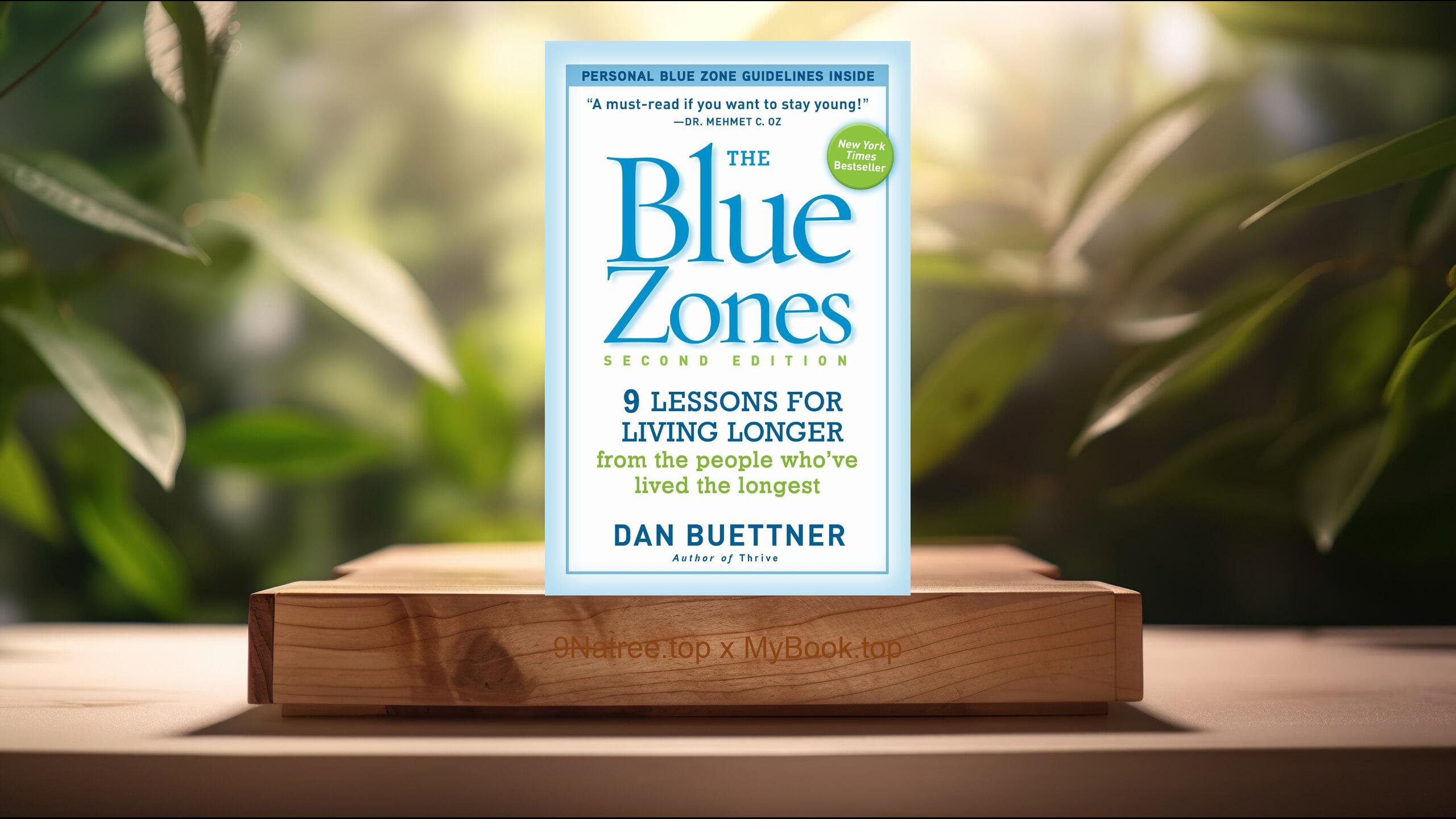
The Blue Zones Kitchen: 100 Recipes to Live to 100 (Dan Buettner)
- Amazon USA Store: https://www.amazon.com/dp/1426220138?tag=9natree-20
- Amazon Worldwide Store: https://global.buys.trade/The-Blue-Zones-Kitchen%3A-100-Recipes-to-Live-to-100-Dan-Buettner.html
- Apple Books: https://books.apple.com/us/audiobook/the-blue-zones-longevity-kitchen-timeless-recipes/id1813895051?itsct=books_box_link&itscg=30200&ls=1&at=1001l3bAw&ct=9natree
- eBay: https://www.ebay.com/sch/i.html?_nkw=The+Blue+Zones+Kitchen+100+Recipes+to+Live+to+100+Dan+Buettner+&mkcid=1&mkrid=711-53200-19255-0&siteid=0&campid=5339060787&customid=9natree&toolid=10001&mkevt=1
- Read more: https://mybook.top/read/1426220138/
#BlueZones #longevitydiet #plantbasedrecipes #Mediterraneanstylecooking #beansandwholegrains #TheBlueZonesKitchen
These are takeaways from this book.
Firstly, The Blue Zones food pattern and why it matters, A central theme is the shared eating pattern across Blue Zones, despite different cuisines and geographies. The book highlights how longevity foods tend to be minimally processed, mostly plant based, and built around affordable staples. Instead of counting macros, the approach emphasizes repetition of simple meals that deliver fiber, micronutrients, and steady energy. Beans and lentils appear as a cornerstone, providing protein, slow digesting carbohydrates, and a reliable base for soups, stews, and spreads. Whole grains, vegetables, and herbs add volume and flavor while keeping meals nutrient dense. Healthy fats show up in culturally specific ways, such as olive oil, nuts, and seeds, generally used as enhancers rather than heavy sauces. The guidance also points to how these communities treat meat as an accent or an occasional choice, which can help readers lower saturated fat intake without feeling deprived. By presenting a recognizable template rather than rigid rules, the book makes it easier to plan breakfasts, lunches, and dinners that align with longevity research while still tasting like real, comforting food.
Secondly, Cooking like the world’s healthiest communities, The recipes are framed as a tour through traditional kitchens associated with longevity hot spots, encouraging readers to borrow practical techniques, not just ingredients. Many dishes rely on foundational methods such as simmering beans, building soups from aromatics, roasting vegetables, and using acid and herbs to brighten flavors. This matters because technique is often what makes plant heavy meals satisfying, even for people used to meat centered plates. The book leans on long established combinations like grains plus legumes, vegetables plus olive oil and citrus, and fermented or pickled elements that add depth. It also supports pantry planning, showing how a small set of staples can be remixed into multiple meals, reducing decision fatigue and making healthy cooking more likely to happen. Another useful aspect is the cultural context that helps readers understand why a dish is common in a place where people thrive: it is inexpensive, shareable, and easy to cook in batches. The overall message is that longevity cooking is less about novelty and more about mastering a few reliable preparations that you can repeat all week.
Thirdly, Beans, grains, and vegetables as everyday anchors, A major practical takeaway is how to make plant staples the center of the plate without feeling like you are eating side dishes. The book underscores legumes as a daily habit and shows how they can shift from supporting role to main attraction through soups, salads, patties, and hearty bowls. Whole grains are presented as a durable base that pairs naturally with vegetables and beans, creating complete, satisfying meals with steady blood sugar impact. Vegetables are treated as the volume driver: they increase satiety, add color and antioxidants, and allow big portions without excessive calories. The recipes and guidance implicitly teach a structure for building meals: start with a base of grains or greens, add a protein rich legume, layer on vegetables, then finish with a flavorful fat and a bright element like vinegar, citrus, or tomatoes. This structure is useful for people who want to cook intuitively and still stay aligned with a healthy pattern. By leaning into these anchors, readers can reduce reliance on ultra processed convenience foods while saving money and improving meal consistency.
Fourthly, Eating for longevity without dieting mentality, The Blue Zones approach is positioned as lifestyle friendly rather than diet like, and the kitchen is portrayed as a place to build habits you can keep for decades. Instead of focusing on restriction, the book encourages abundance of healthy foods and the social rituals that make them enjoyable. Many longevity communities eat in ways that naturally regulate portions, such as having a lighter evening meal, eating slowly, and prioritizing whole foods that are filling. The recipes support this by emphasizing high fiber ingredients and balanced flavors that make simple meals feel complete. Another element is the idea of defaults: if your pantry is stocked with beans, grains, vegetables, and herbs, your easiest meal choice becomes a good one. This reduces willpower dependence and makes consistency more realistic. The book also makes the case that pleasure is part of longevity. Meals are designed to be shared and repeated, helping readers build a sustainable rhythm instead of an on again off again cycle. For many people, that shift in mindset is as valuable as any single recipe.
Lastly, Making the Blue Zones way of eating fit modern life, While the recipes draw on traditional cuisines, the book is oriented toward practical home cooks who need food that fits busy schedules. A recurring idea is to cook in ways that create leftovers on purpose, such as big pots of soup, batches of grains, and versatile bean preparations that can become multiple meals. This supports time efficiency and helps replace takeout with quick assembly meals. The emphasis on simple ingredients also makes grocery shopping easier, because many items are widely available and budget friendly. Readers can adapt the pattern to different dietary needs by adjusting spice levels, swapping grains, or choosing plant based versions of dishes where appropriate. The longevity focus is not about exotic superfoods, but about ordinary foods prepared consistently. The book implicitly teaches how to build a weekly rotation: choose two or three staple bases, keep fresh produce on hand, and use sauces, herbs, and acids to keep flavors interesting. In that way, the book functions as both a cookbook and a planning tool, helping readers bridge the gap between inspiration and daily execution.
- Amazon USA Store: https://www.amazon.com/dp/1426220138?tag=9natree-20
- Amazon Worldwide Store: https://global.buys.trade/The-Blue-Zones-Kitchen%3A-100-Recipes-to-Live-to-100-Dan-Buettner.html
- Apple Books: https://books.apple.com/us/audiobook/the-blue-zones-longevity-kitchen-timeless-recipes/id1813895051?itsct=books_box_link&itscg=30200&ls=1&at=1001l3bAw&ct=9natree
- eBay: https://www.ebay.com/sch/i.html?_nkw=The+Blue+Zones+Kitchen+100+Recipes+to+Live+to+100+Dan+Buettner+&mkcid=1&mkrid=711-53200-19255-0&siteid=0&campid=5339060787&customid=9natree&toolid=10001&mkevt=1
- Read more: https://mybook.top/read/1426220138/
#BlueZones #longevitydiet #plantbasedrecipes #Mediterraneanstylecooking #beansandwholegrains #TheBlueZonesKitchen
These are takeaways from this book.
Firstly, The Blue Zones food pattern and why it matters, A central theme is the shared eating pattern across Blue Zones, despite different cuisines and geographies. The book highlights how longevity foods tend to be minimally processed, mostly plant based, and built around affordable staples. Instead of counting macros, the approach emphasizes repetition of simple meals that deliver fiber, micronutrients, and steady energy. Beans and lentils appear as a cornerstone, providing protein, slow digesting carbohydrates, and a reliable base for soups, stews, and spreads. Whole grains, vegetables, and herbs add volume and flavor while keeping meals nutrient dense. Healthy fats show up in culturally specific ways, such as olive oil, nuts, and seeds, generally used as enhancers rather than heavy sauces. The guidance also points to how these communities treat meat as an accent or an occasional choice, which can help readers lower saturated fat intake without feeling deprived. By presenting a recognizable template rather than rigid rules, the book makes it easier to plan breakfasts, lunches, and dinners that align with longevity research while still tasting like real, comforting food.
Secondly, Cooking like the world’s healthiest communities, The recipes are framed as a tour through traditional kitchens associated with longevity hot spots, encouraging readers to borrow practical techniques, not just ingredients. Many dishes rely on foundational methods such as simmering beans, building soups from aromatics, roasting vegetables, and using acid and herbs to brighten flavors. This matters because technique is often what makes plant heavy meals satisfying, even for people used to meat centered plates. The book leans on long established combinations like grains plus legumes, vegetables plus olive oil and citrus, and fermented or pickled elements that add depth. It also supports pantry planning, showing how a small set of staples can be remixed into multiple meals, reducing decision fatigue and making healthy cooking more likely to happen. Another useful aspect is the cultural context that helps readers understand why a dish is common in a place where people thrive: it is inexpensive, shareable, and easy to cook in batches. The overall message is that longevity cooking is less about novelty and more about mastering a few reliable preparations that you can repeat all week.
Thirdly, Beans, grains, and vegetables as everyday anchors, A major practical takeaway is how to make plant staples the center of the plate without feeling like you are eating side dishes. The book underscores legumes as a daily habit and shows how they can shift from supporting role to main attraction through soups, salads, patties, and hearty bowls. Whole grains are presented as a durable base that pairs naturally with vegetables and beans, creating complete, satisfying meals with steady blood sugar impact. Vegetables are treated as the volume driver: they increase satiety, add color and antioxidants, and allow big portions without excessive calories. The recipes and guidance implicitly teach a structure for building meals: start with a base of grains or greens, add a protein rich legume, layer on vegetables, then finish with a flavorful fat and a bright element like vinegar, citrus, or tomatoes. This structure is useful for people who want to cook intuitively and still stay aligned with a healthy pattern. By leaning into these anchors, readers can reduce reliance on ultra processed convenience foods while saving money and improving meal consistency.
Fourthly, Eating for longevity without dieting mentality, The Blue Zones approach is positioned as lifestyle friendly rather than diet like, and the kitchen is portrayed as a place to build habits you can keep for decades. Instead of focusing on restriction, the book encourages abundance of healthy foods and the social rituals that make them enjoyable. Many longevity communities eat in ways that naturally regulate portions, such as having a lighter evening meal, eating slowly, and prioritizing whole foods that are filling. The recipes support this by emphasizing high fiber ingredients and balanced flavors that make simple meals feel complete. Another element is the idea of defaults: if your pantry is stocked with beans, grains, vegetables, and herbs, your easiest meal choice becomes a good one. This reduces willpower dependence and makes consistency more realistic. The book also makes the case that pleasure is part of longevity. Meals are designed to be shared and repeated, helping readers build a sustainable rhythm instead of an on again off again cycle. For many people, that shift in mindset is as valuable as any single recipe.
Lastly, Making the Blue Zones way of eating fit modern life, While the recipes draw on traditional cuisines, the book is oriented toward practical home cooks who need food that fits busy schedules. A recurring idea is to cook in ways that create leftovers on purpose, such as big pots of soup, batches of grains, and versatile bean preparations that can become multiple meals. This supports time efficiency and helps replace takeout with quick assembly meals. The emphasis on simple ingredients also makes grocery shopping easier, because many items are widely available and budget friendly. Readers can adapt the pattern to different dietary needs by adjusting spice levels, swapping grains, or choosing plant based versions of dishes where appropriate. The longevity focus is not about exotic superfoods, but about ordinary foods prepared consistently. The book implicitly teaches how to build a weekly rotation: choose two or three staple bases, keep fresh produce on hand, and use sauces, herbs, and acids to keep flavors interesting. In that way, the book functions as both a cookbook and a planning tool, helping readers bridge the gap between inspiration and daily execution.