Show Notes
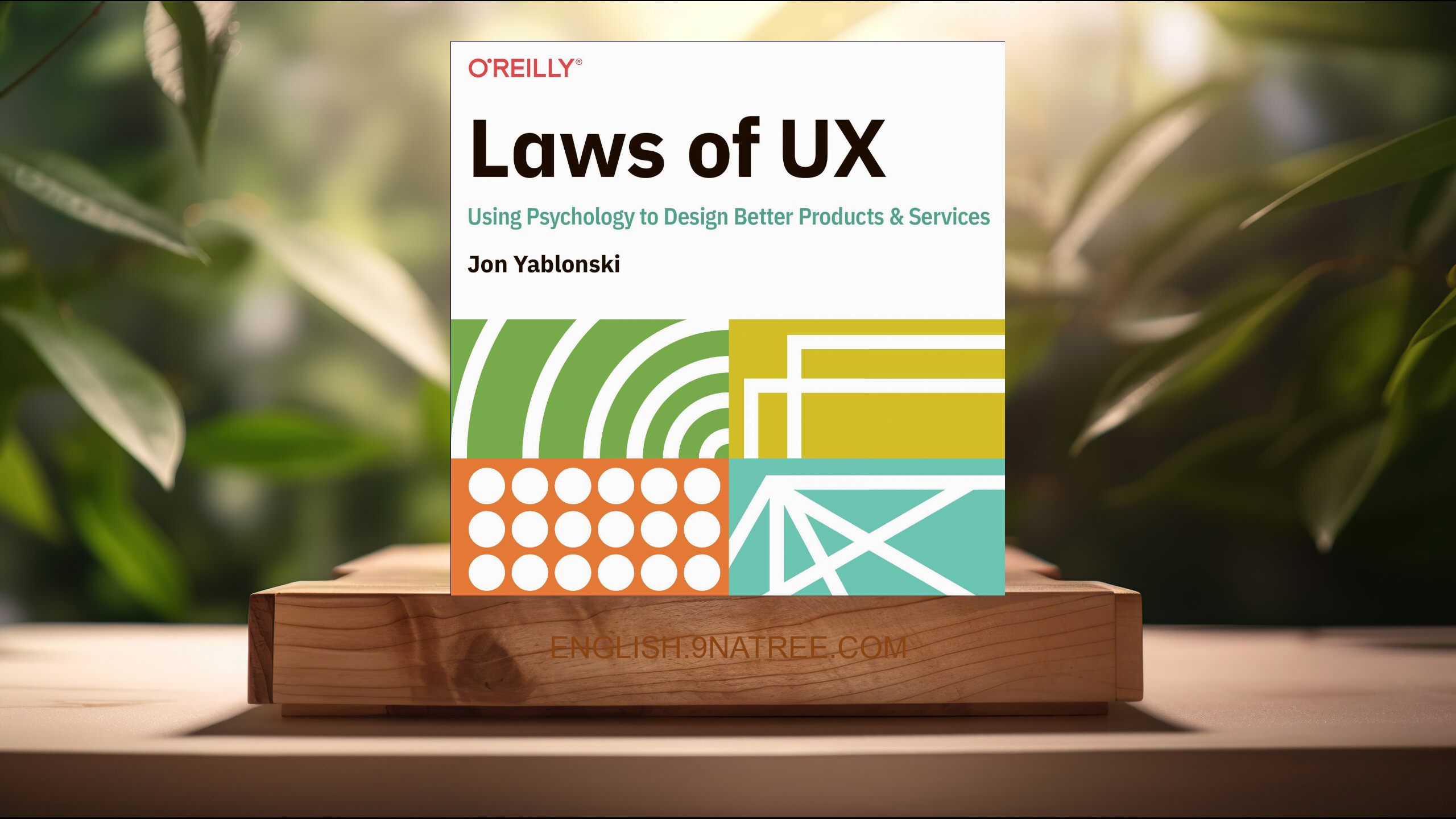
Laws of UX: Using Psychology to Design Better Products & Services (Jon Yablonski)
- Amazon USA Store: https://www.amazon.com/dp/B09B48MWN6?tag=9natree-20
- Amazon Worldwide Store: https://global.buys.trade/Laws-of-UX%3A-Using-Psychology-to-Design-Better-Products-%26amp%3B-Services-Jon-Yablonski.html
- eBay: https://www.ebay.com/sch/i.html?_nkw=Laws+of+UX+Using+Psychology+to+Design+Better+Products+amp+Services+Jon+Yablonski+&mkcid=1&mkrid=711-53200-19255-0&siteid=0&campid=5339060787&customid=9natree&toolid=10001&mkevt=1
- Read more: https://english.9natree.com/read/B09B48MWN6/
#JakobsLaw #FittssLaw #HicksLaw #AestheticUsabilityEffect #PeakEndRule #LawsofUX
Laws of UX: Using Psychology to Design Better Products and Services is a concise professional guide by product designer Jon Yablonski. Positioned between introductory cognitive psychology and practical interface design, it explains why familiar digital patterns often feel easy to use and why seemingly minor design decisions can create hesitation, errors, or frustration. The book organizes its material around established principles commonly called UX laws, including Jakob's Law, Fitts's Law, Hick's Law, Miller's Law, Postel's Law, the aesthetic usability effect, and the peak end rule. Yablonski does not present these principles as automatic formulas for conversion or engagement. Instead, he treats them as lenses for understanding attention, memory, perception, motor behavior, expectations, and judgment. Brief explanations are paired with recognizable product examples and connections to usability heuristics. The purpose is to help designers, researchers, product managers, and developers explain the reasoning behind design choices rather than merely copy popular interfaces. It also places ethical limits around persuasive design, recognizing that psychological knowledge can either reduce user burden or exploit it.