![[Review] The 20-Minute Networking Meeting - Professional Edition (Nathan A. Perez) Summarized](https://episodes.castos.com/660078c6833215-59505987/images/2336850/c1a-085k3-rk23v054sorp-vpzn1k.jpg)
Show Notes
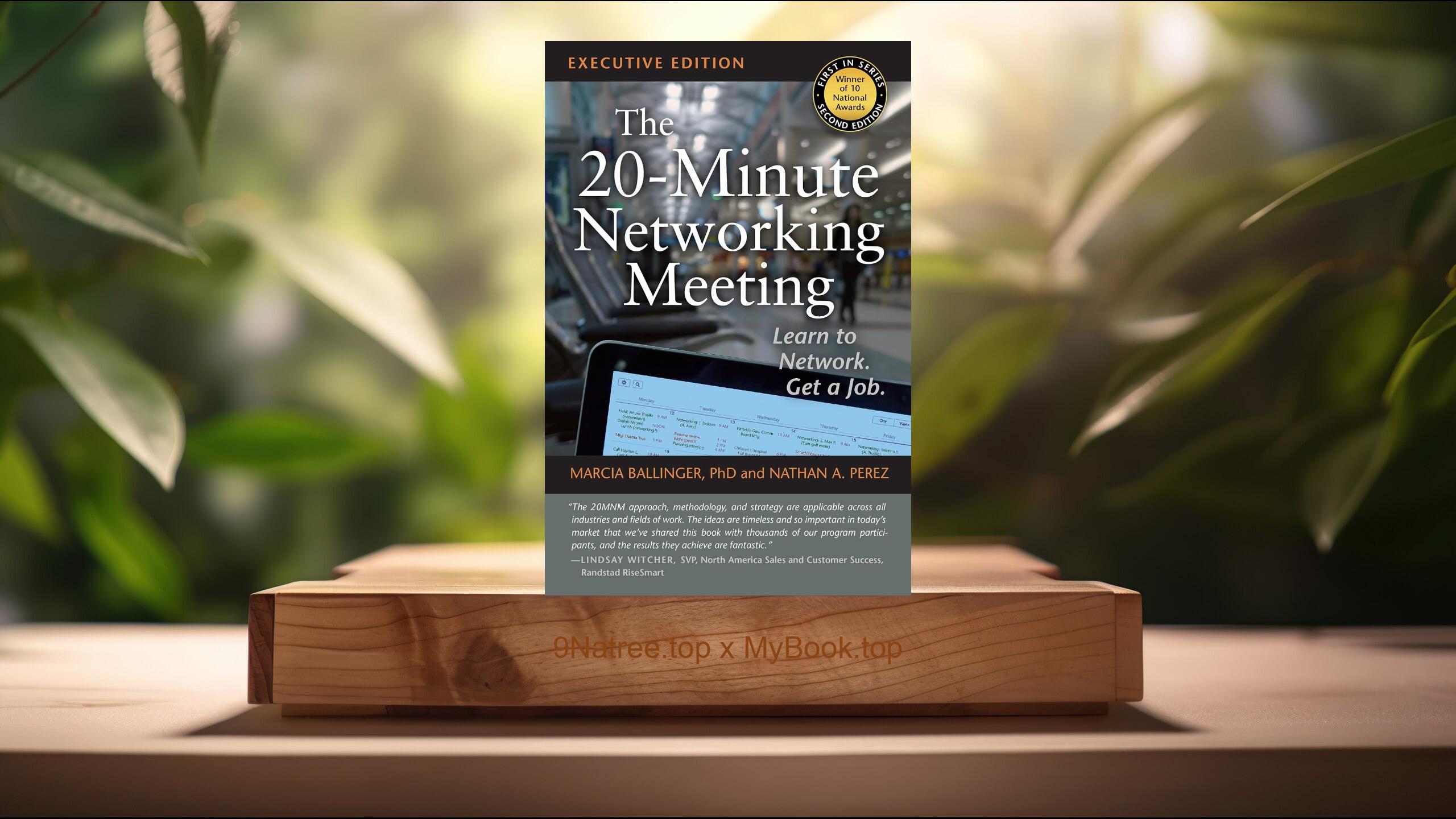
The 20-Minute Networking Meeting - Professional Edition (Nathan A. Perez)
- Amazon USA Store: https://www.amazon.com/dp/B01DN3O30S?tag=9natree-20
- Amazon Worldwide Store: https://global.buys.trade/The-20-Minute-Networking-Meeting---Professional-Edition-Nathan-A-Perez.html
- Apple Books: https://books.apple.com/us/audiobook/the-guest-list/id1500643836?itsct=books_box_link&itscg=30200&ls=1&at=1001l3bAw&ct=9natree
- eBay: https://www.ebay.com/sch/i.html?_nkw=The+20+Minute+Networking+Meeting+Professional+Edition+Nathan+A+Perez+&mkcid=1&mkrid=711-53200-19255-0&siteid=0&campid=5339060787&customid=9natree&toolid=10001&mkevt=1
- Read more: https://mybook.top/read/B01DN3O30S/
#networkingmeetings #informationalinterviews #jobsearchstrategy #careerchange #professionalrelationships #The20MinuteNetworkingMeetingProfessionalEdition
These are takeaways from this book.
Firstly, A Simple Framework for a High-Impact 20-Minute Conversation, A core contribution of the book is the idea that a short meeting can be long enough if it is structured. Perez presents networking as a repeatable process: set a clear purpose, respect the person’s time, and keep the conversation focused on learning and relationship-building. The 20-minute constraint helps remove pressure for both sides because it signals professionalism and makes the request easier to accept. Within that time, the emphasis is on asking thoughtful questions that reveal how an industry works, how roles are filled, and what skills actually matter day to day. This reframes networking away from asking for a job and toward gathering intelligence and building rapport. The book also encourages an agenda-like mindset: you should know what you want to learn, what you can share about yourself succinctly, and what a reasonable next step might be. The framework supports consistency across multiple meetings, allowing you to refine your approach, notice patterns, and build confidence. Over time, repeating this format helps turn networking from an occasional, stressful activity into a regular career practice that compounds.
Secondly, How to Identify the Right People and Secure Meetings, Networking works best when outreach is targeted, and the book highlights the importance of choosing people strategically rather than randomly. Perez focuses on finding professionals who can provide perspective, not just access: individuals in roles you want, adjacent roles that interact with them, or hiring-adjacent stakeholders who understand what teams need. This approach helps you build a map of an industry and avoid relying on a single gatekeeper. The book also emphasizes practical outreach principles that increase response rates: be specific, keep the request short, and make it easy to say yes by proposing a brief time commitment. The message should communicate why you selected that person and what you hope to learn, without sounding entitled or overly salesy. The process also includes managing a pipeline of contacts so you are not dependent on one reply. By treating outreach like a professional campaign, you can steadily generate conversations and avoid discouragement. The book’s method supports job seekers who lack a strong network by showing how to create one through intentional research, respectful requests, and steady volume without spamming or burning bridges.
Thirdly, What to Ask and How to Communicate Your Story Without Sounding Desperate, The book addresses a common networking failure: talking too much about yourself or asking directly for a job too early. Perez instead encourages a question-driven conversation that demonstrates curiosity and competence. The goal is to learn what the person does, what their path looked like, what challenges their team faces, and what differentiates strong performers. These questions help you gather useful details you can apply immediately, from skill gaps to vocabulary to realistic role expectations. At the same time, you need a concise introduction of your own background that fits naturally into the discussion. Perez promotes a clear, professional summary of who you are, what direction you are moving in, and why you are exploring that field. Done well, this invites the other person to think of you when opportunities arise without you demanding anything. The book also implies that preparation matters: if you have done basic research, you can ask deeper questions and avoid wasting time. This balance between listening and succinct self-presentation helps you come across as serious, coachable, and respectful, which increases the chance of referrals and follow-up conversations.
Fourthly, Turning One Meeting Into Multiple Leads Through Follow-Up and Referrals, A single networking meeting rarely changes a career, but a chain of meetings can. The book emphasizes that the real leverage comes from converting one conversation into the next introduction, gradually building a network that spans roles, companies, and functions. Perez presents follow-up as an essential professional habit: expressing gratitude, summarizing what you learned, and acting on advice so the relationship feels real rather than extractive. A strong follow-up also creates a reason to reconnect later with an update, which keeps you on the person’s radar without being intrusive. The referral moment is handled carefully: rather than demanding a contact list, you earn the right to ask whether there is anyone else the person recommends you speak with to learn more. That phrasing keeps the tone educational and low pressure. Over time, these referrals help you discover hidden opportunities, understand hiring cycles, and build credibility through association. The book’s emphasis on process also helps you track conversations, lessons learned, and next actions, preventing the common problem of collecting business cards without progress. This topic underscores networking as a long-term system, not a one-time event.
Lastly, Using Networking Meetings to Accelerate Job Search and Career Clarity, Beyond meeting people, Perez frames networking meetings as a way to make better decisions about your career. By speaking with professionals across an industry, you can test assumptions about roles, confirm what you enjoy, and avoid pursuing paths that look attractive but feel wrong in practice. This information reduces wasted applications and helps you tailor your resume, portfolio, and interview stories to what employers actually value. The book also positions networking as a way to increase interview chances through visibility and trust. When people know you, they are more likely to flag openings, recommend you internally, or provide practical interview preparation. Importantly, the approach can support both active job seekers and employed professionals. If you are currently working, short informational meetings can broaden your understanding of other functions, clarify your next move, and build relationships that make future transitions smoother. For career changers, the method provides a structured way to learn industry language and identify credible entry points. In this way, the networking meeting is not only a tactic to get hired but also a tool for ongoing professional development, confidence-building, and strategic planning throughout a career.
- Amazon USA Store: https://www.amazon.com/dp/B01DN3O30S?tag=9natree-20
- Amazon Worldwide Store: https://global.buys.trade/The-20-Minute-Networking-Meeting---Professional-Edition-Nathan-A-Perez.html
- Apple Books: https://books.apple.com/us/audiobook/the-guest-list/id1500643836?itsct=books_box_link&itscg=30200&ls=1&at=1001l3bAw&ct=9natree
- eBay: https://www.ebay.com/sch/i.html?_nkw=The+20+Minute+Networking+Meeting+Professional+Edition+Nathan+A+Perez+&mkcid=1&mkrid=711-53200-19255-0&siteid=0&campid=5339060787&customid=9natree&toolid=10001&mkevt=1
- Read more: https://mybook.top/read/B01DN3O30S/
#networkingmeetings #informationalinterviews #jobsearchstrategy #careerchange #professionalrelationships #The20MinuteNetworkingMeetingProfessionalEdition
These are takeaways from this book.
Firstly, A Simple Framework for a High-Impact 20-Minute Conversation, A core contribution of the book is the idea that a short meeting can be long enough if it is structured. Perez presents networking as a repeatable process: set a clear purpose, respect the person’s time, and keep the conversation focused on learning and relationship-building. The 20-minute constraint helps remove pressure for both sides because it signals professionalism and makes the request easier to accept. Within that time, the emphasis is on asking thoughtful questions that reveal how an industry works, how roles are filled, and what skills actually matter day to day. This reframes networking away from asking for a job and toward gathering intelligence and building rapport. The book also encourages an agenda-like mindset: you should know what you want to learn, what you can share about yourself succinctly, and what a reasonable next step might be. The framework supports consistency across multiple meetings, allowing you to refine your approach, notice patterns, and build confidence. Over time, repeating this format helps turn networking from an occasional, stressful activity into a regular career practice that compounds.
Secondly, How to Identify the Right People and Secure Meetings, Networking works best when outreach is targeted, and the book highlights the importance of choosing people strategically rather than randomly. Perez focuses on finding professionals who can provide perspective, not just access: individuals in roles you want, adjacent roles that interact with them, or hiring-adjacent stakeholders who understand what teams need. This approach helps you build a map of an industry and avoid relying on a single gatekeeper. The book also emphasizes practical outreach principles that increase response rates: be specific, keep the request short, and make it easy to say yes by proposing a brief time commitment. The message should communicate why you selected that person and what you hope to learn, without sounding entitled or overly salesy. The process also includes managing a pipeline of contacts so you are not dependent on one reply. By treating outreach like a professional campaign, you can steadily generate conversations and avoid discouragement. The book’s method supports job seekers who lack a strong network by showing how to create one through intentional research, respectful requests, and steady volume without spamming or burning bridges.
Thirdly, What to Ask and How to Communicate Your Story Without Sounding Desperate, The book addresses a common networking failure: talking too much about yourself or asking directly for a job too early. Perez instead encourages a question-driven conversation that demonstrates curiosity and competence. The goal is to learn what the person does, what their path looked like, what challenges their team faces, and what differentiates strong performers. These questions help you gather useful details you can apply immediately, from skill gaps to vocabulary to realistic role expectations. At the same time, you need a concise introduction of your own background that fits naturally into the discussion. Perez promotes a clear, professional summary of who you are, what direction you are moving in, and why you are exploring that field. Done well, this invites the other person to think of you when opportunities arise without you demanding anything. The book also implies that preparation matters: if you have done basic research, you can ask deeper questions and avoid wasting time. This balance between listening and succinct self-presentation helps you come across as serious, coachable, and respectful, which increases the chance of referrals and follow-up conversations.
Fourthly, Turning One Meeting Into Multiple Leads Through Follow-Up and Referrals, A single networking meeting rarely changes a career, but a chain of meetings can. The book emphasizes that the real leverage comes from converting one conversation into the next introduction, gradually building a network that spans roles, companies, and functions. Perez presents follow-up as an essential professional habit: expressing gratitude, summarizing what you learned, and acting on advice so the relationship feels real rather than extractive. A strong follow-up also creates a reason to reconnect later with an update, which keeps you on the person’s radar without being intrusive. The referral moment is handled carefully: rather than demanding a contact list, you earn the right to ask whether there is anyone else the person recommends you speak with to learn more. That phrasing keeps the tone educational and low pressure. Over time, these referrals help you discover hidden opportunities, understand hiring cycles, and build credibility through association. The book’s emphasis on process also helps you track conversations, lessons learned, and next actions, preventing the common problem of collecting business cards without progress. This topic underscores networking as a long-term system, not a one-time event.
Lastly, Using Networking Meetings to Accelerate Job Search and Career Clarity, Beyond meeting people, Perez frames networking meetings as a way to make better decisions about your career. By speaking with professionals across an industry, you can test assumptions about roles, confirm what you enjoy, and avoid pursuing paths that look attractive but feel wrong in practice. This information reduces wasted applications and helps you tailor your resume, portfolio, and interview stories to what employers actually value. The book also positions networking as a way to increase interview chances through visibility and trust. When people know you, they are more likely to flag openings, recommend you internally, or provide practical interview preparation. Importantly, the approach can support both active job seekers and employed professionals. If you are currently working, short informational meetings can broaden your understanding of other functions, clarify your next move, and build relationships that make future transitions smoother. For career changers, the method provides a structured way to learn industry language and identify credible entry points. In this way, the networking meeting is not only a tactic to get hired but also a tool for ongoing professional development, confidence-building, and strategic planning throughout a career.