Show Notes
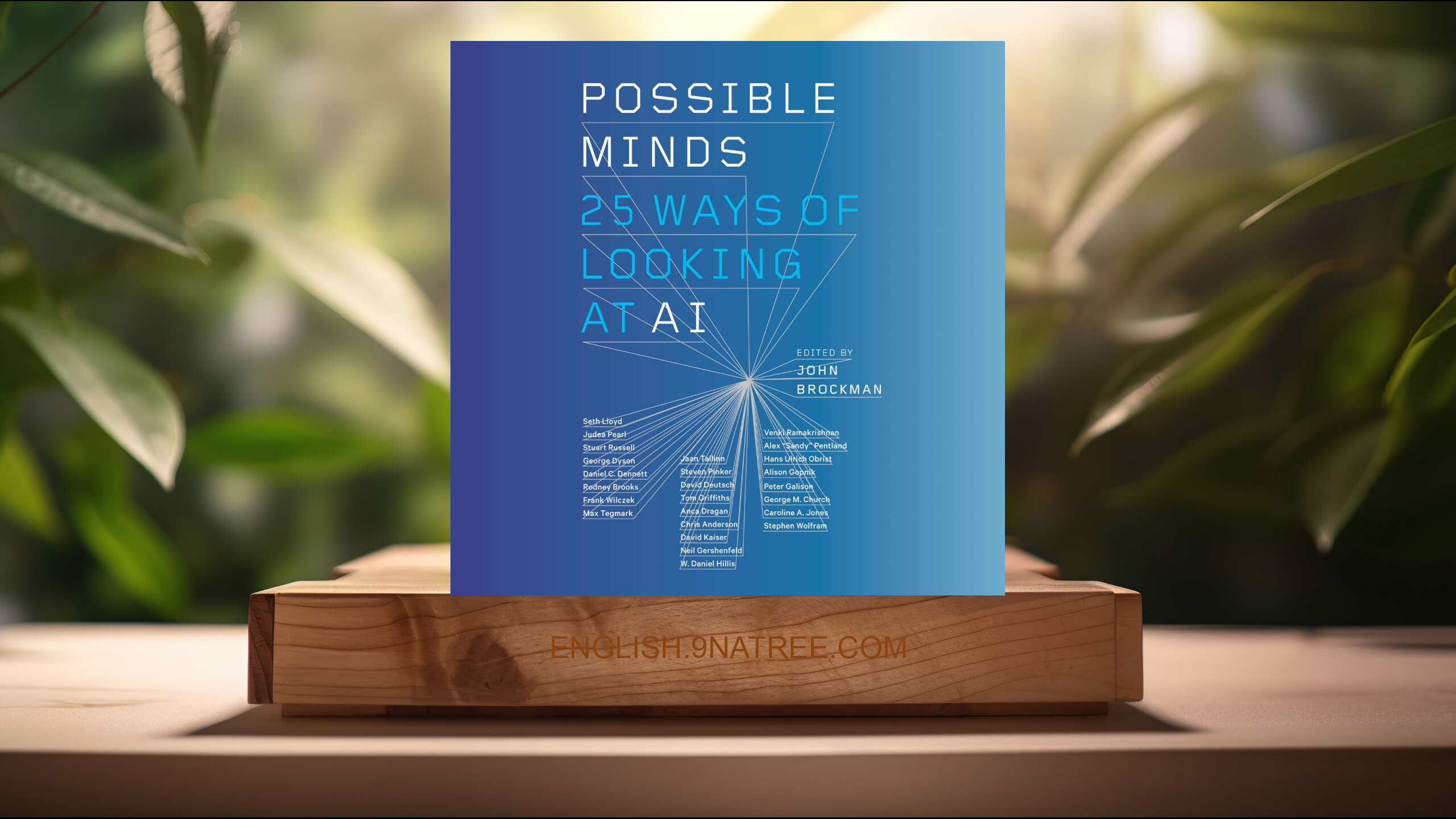
Possible Minds: Twenty-Five Ways of Looking at AI (John Brockman)
- Amazon USA Store: https://www.amazon.com/dp/B07MQX54TW?tag=9natree-20
- Amazon Worldwide Store: https://global.buys.trade/Possible-Minds%3A-Twenty-Five-Ways-of-Looking-at-AI-John-Brockman.html
- Apple Books: https://books.apple.com/us/audiobook/possible-minds-twenty-five-ways-of-looking-at-ai-unabridged/id1449732270?itsct=books_box_link&itscg=30200&ls=1&at=1001l3bAw&ct=9natree
- eBay: https://www.ebay.com/sch/i.html?_nkw=Possible+Minds+Twenty+Five+Ways+of+Looking+at+AI+John+Brockman+&mkcid=1&mkrid=711-53200-19255-0&siteid=0&campid=5339060787&customid=9natree&toolid=10001&mkevt=1
- Read more: https://english.9natree.com/read/B07MQX54TW/
#AIpluralism #Cyberneticresponsibility #Opaquelearningmachines #AIboomandbustcycles #Algorithmicpowerconcentration #PossibleMinds
Possible Minds: Twenty-Five Ways of Looking at AI is a 2019 anthology edited by John Brockman, founder of the Edge online salon. Rather than offering a single theory of artificial intelligence, it gathers twenty-five short essays by scientists, philosophers, technologists, and researchers with markedly different assumptions about what AI is becoming. The collection uses Norbert Wiener and his early cybernetic warnings as a point of departure, asking how systems that learn and make decisions may alter human agency, institutions, work, knowledge, and survival. Contributors include figures such as Judea Pearl, Daniel Dennett, Alison Gopnik, Steven Pinker, Max Tegmark, George Dyson, and Rodney Brooks. Its genre is public-facing intellectual nonfiction: conceptually demanding but largely nontechnical. The purpose is not to forecast one settled AI future. It is to expose the disagreements concealed by broad claims about intelligent machines, while connecting current advances in machine learning to older debates about control, explanation, autonomy, and human values.